

The "Invisible" Travel Hurdle: Navigating Transitional Anxiety and the Anxiety-Bladder Connection
For many autistic teenagers, the world can feel unpredictable. One of the most common "invisible" hurdles is Transitional Anxiety - the stress of being between two safe places (like home and a holiday destination).
We recently heard from a Dad whose 13-year-old daughter experiences intense anxiety about needing the toilet during any journey longer than an hour.
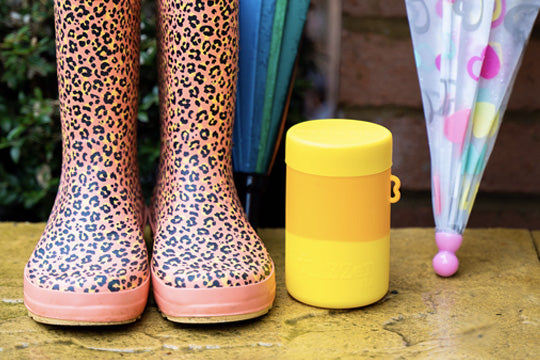
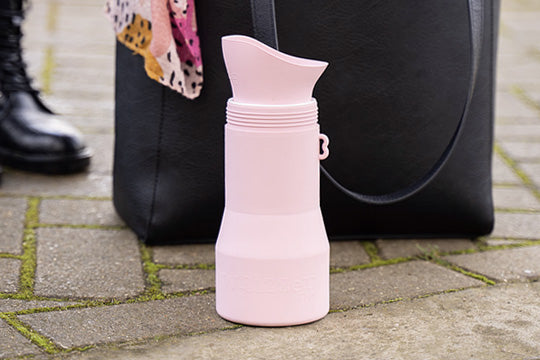
"My daughter is diagnosed with autism and has anxiety about needing the loo regularly. On journeys longer than 1 hour, anxiety builds. Having The Whizzer on hand makes her feel more comfortable; there is a solution if she needs to go, whether out and about or on a car journey. This was particularly useful when travelling to the Isle of Wight. My daughter also thinks The Whizzer is cool and loves the glow in the dark version."

The "Anxiety-Bladder" Connection
It’s a medical fact: when the brain enters "fight or flight" mode (anxiety), it sends signals to the bladder to empty. For this young lady, the build-up of travel stress created a physical urge to go, which then fuelled more stress. It’s an exhausting cycle that can make even a fun holiday feel like a marathon of worry.
The Isle of Wight Test: From Panic to "Cool"
Travel is stressful for anyone, but a long car journey plus a ferry crossing is a major sensory and logistical challenge.
-
The "Safety Net" Effect: Having the Whizzer didn't just provide a place to pee; it placated the anxiety itself. By knowing a solution was within arm's reach, the "urgency" actually decreased because the fear of being "trapped" was gone.
-
Teen-Approved Design: At 13, style and the "cool factor" matter. The fact that she loves the design (especially the Glow-in-the-Dark version) means she doesn't feel like she's carrying a medical device. She's carrying a cool piece of travel gear.
Why "Glow" is a Game-Changer for Anxiety
-
Visual Anchor: In a dark car or a strange ferry cabin, the glow provides a literal "light in the dark," making the device easy to find without fumbling or panic.
-
Sensory Appeal: Many autistic individuals find the soft glow of photoluminescent silicone soothing rather than overstimulating.

Strategy: The "Just-In-Case" Confidence Boost
If your child struggles with "Toilet Anxiety," try the Whizzer Strategy:
-
Acknowledge the Feeling: Don't tell them they "don't really need to go." The feeling is real.
-
Introduce the Solution: "We have the Whizzer right here in the footwell/bag. It's ready whenever you are."
-
Watch the Loop Break: Often, simply knowing the Whizzer is there is enough to settle the bladder and allow the journey to continue in peace.
"It just makes her feel more comfortable that there is a solution there if she needs it." — Nick C.
Customer Spotlight: Nick’s Journey with PANS/PANDAS
For many families, the Whizzer is a tool for life. But for Nick C. and his daughter, it has become a vital bridge while they pursue a groundbreaking medical journey.
Nick shared an incredible update: after years of navigating his daughter’s sudden, intense anxiety and urinary urgency, they have sought the expertise of Dr Tim Ubhi, a leading specialist in a complex condition known as PANS/PANDAS.
The Breakthrough: What is PANS/PANDAS?
Through working with Dr Tim Ubhi (Children's e-Hospital), Nick is exploring the possibility that these symptoms are linked to PANS (Paediatric Acute-onset Neuropsychiatric Syndrome) or PANDAS (Paediatric Autoimmune Neuropsychiatric Disorders Associated with Streptococcal Infections).
In these conditions, a common infection (like Strep or a virus) causes the immune system to mistakenly attack the brain. This can lead to:
-
Sudden Urinary Urgency: A hallmark symptom where the "signal" between brain and bladder becomes haywire.
-
Intense Anxiety & OCD: Often appearing "out of the blue."
-
Sensory Sensitivities: Making environments like public toilets feel overwhelming.
A Quest for a Cure
The most exciting part? PANS/PANDAS is potentially treatable. By addressing the underlying inflammation and immune response, many children see a significant reduction in symptoms. While they work through this medical programme, the Whizzer remains their "Psychological Safety Net", allowing Nick’s daughter to travel with confidence while her body heals.
🚩 Signs to Watch For: The PANS/PANDAS Checklist
If your child has experienced a sudden, dramatic change in behaviour or physical health, it can be terrifying. Nick’s journey shows the importance of looking for the "root cause."
1. Sudden Urinary Changes
-
Frequency/Urgency: Suddenly needing to go to the toilet every 15–30 minutes.
-
Bedwetting: New-onset bedwetting in a child who was previously dry at night.
-
"False Alarms": Feeling an intense urge to go, but very little urine is produced.
2. Neuropsychiatric Symptoms
-
Abrupt OCD: Sudden onset of intrusive thoughts or repetitive rituals.
-
Severe Anxiety: Particularly separation anxiety or fear of the bathroom/germs.
-
Tics: Involuntary physical movements or vocal sounds.
3. Physical & Sensory Shifts
-
Sensory Overload: Sudden sensitivity to lights, sounds (like hand dryers), or the fit of clothing.
- Sleep Disturbances: Difficulty falling asleep or frequent night terrors.
- Change in Handwriting: A noticeable decline in fine motor skills or "messy" writing.
What to do next?
If you are ticking several of these boxes, you are not alone.
-
Keep a Diary: Record when symptoms flare up (often following a sore throat or cold).
-
Consult a Specialist: Seek out practitioners familiar with the condition, such as Dr Tim Ubhi.
-
Support Resources: Visit PANS PANDAS UK for more information.
More Useful Links
-
National Autistic Society - Anxiety Guide: — A great resource for readers to understand the broader context of autism and anxiety.
-
ERIC (The Children’s Bowel & Bladder Charity):— The UK’s best resource for childhood continence issues.
Disclaimer: We love sharing health and wellness insights, but please keep in mind that we aren’t medical professionals. The content here is meant to guide and inform, not to replace the personalised advice of a doctor. Every body is different, so it’s always best to consult with your healthcare team before making significant changes to your diet, lifestyle, or treatment plan.